Teaching David and Goliath:Trust in God Over Size
Teaching the story of David and Goliath to kids can focus on the themes of faith and courage rather than size. Discover engaging ways to illustrate how trust in God empowers us to face our own giants
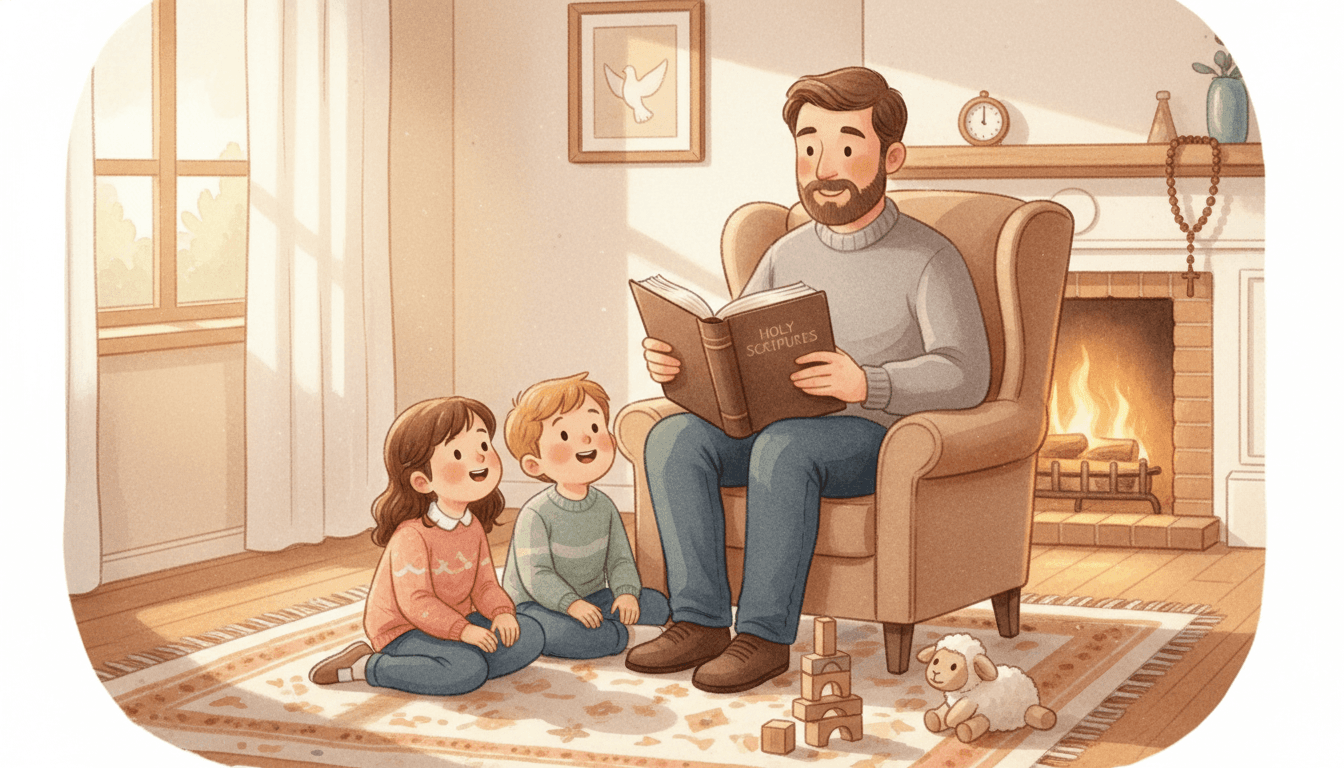
When my son asked why David was brave enough to face Goliath, I realized we were missing the point. It wasn't just about being small and beating a giant; it was about trusting God. Let’s explore how to teach this powerful story in a way that centers on faith, not size.
The Real Battle: God’s Power
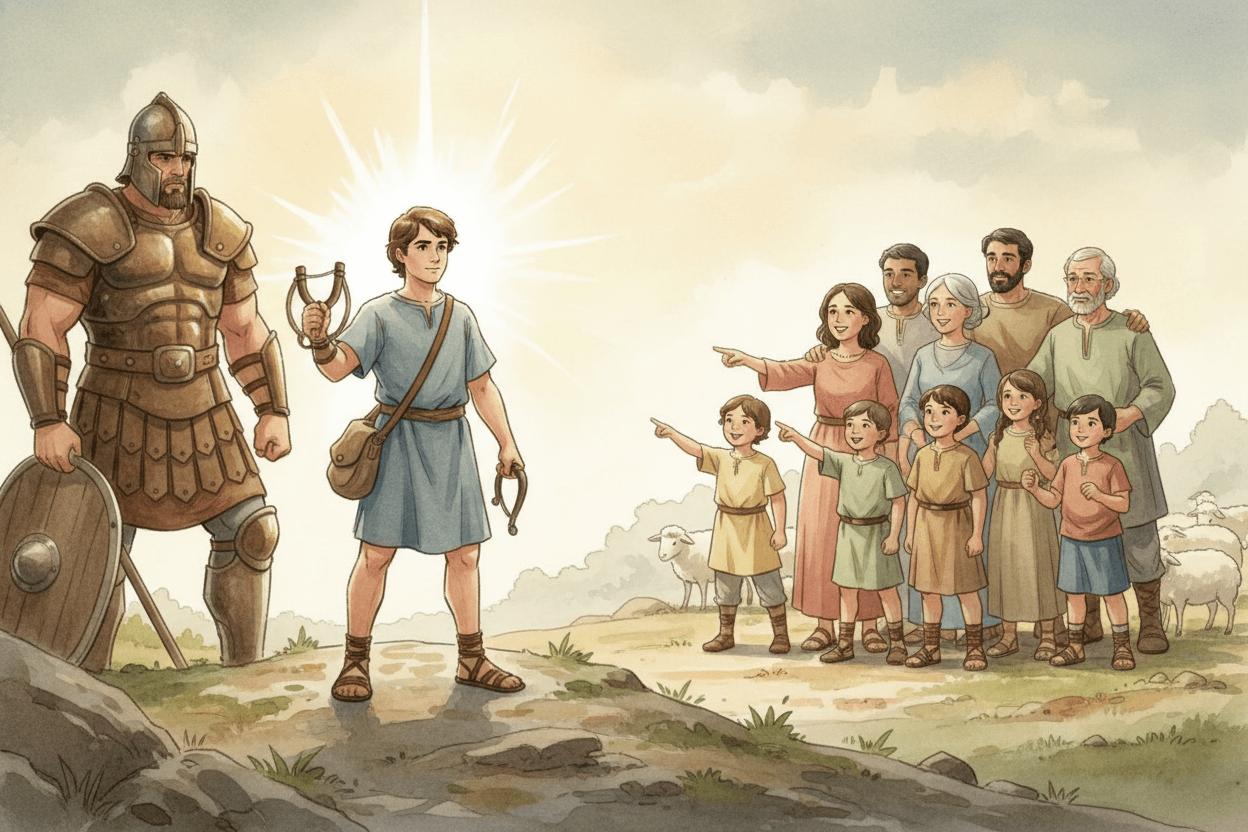
The moment I sat down with my kids to read about David and Goliath, I realized we were in for a ride. The kids were buzzing with excitement over the idea of a little shepherd boy taking down a giant. But I wanted to steer the conversation in a different direction. It wasn’t just about the battle; it was about the God behind the battle. At our table, I could see their eyes widen when I emphasized that David fought ‘in the name of the Lord.’ This story isn’t merely about an underdog; it’s about God’s power showing up in our lives, often in the most unexpected ways.
As I read through 1 Samuel 17, I made sure to highlight the moments where David acknowledges that the battle is the Lord’s. His confidence stemmed not from his own strength or skill, but from his unwavering trust in God. That's a big lesson that resonates with kids. When they face their own Goliaths—whether it’s fear of the dark, anxiety about school, or peer pressure—reminding them that they’re not alone can be monumental. We talked about how David didn’t rely on fancy armor or swords; he came equipped with faith and a slingshot, trusting God to guide him.
One small thing we tried was to relate David's experience to our everyday lives. We drew parallels between David's battle and our own challenges. I asked the kids to name their 'Goliaths.' They came up with things like their fears of failing a test or not fitting in. It was a lightbulb moment for them to see that trusting in God could mean praying when they felt scared or uncertain. I reminded them that God is bigger than any problem they face.
But, let’s be clear: I didn’t want to send the message that faith guarantees an easy win. As parents, we’ve seen that life is full of ups and downs. The real victory comes from knowing God is with us, no matter the outcome. This story emphasizes that trusting God means He walks beside us in every battle. It’s not about vanquishing giants for the sake of glory; it’s about God’s faithfulness, which doesn’t falter.
In our discussions, I kept coming back to the five smooth stones David chose. They represent virtues like faith, courage, prayer, obedience, and perseverance. I made sure to explain to the kids that these aren’t just traits we muster up ourselves; they’re gifts from God. This approach helped them see that relying on God’s strength is much more powerful than trying to be brave all on our own. It’s a message they can carry with them as they face their own challenges.
At the end of our reading, I felt a sense of peace. We had not just talked about a story; we had connected it to their lives. We prayed together, asking God for the strength to face our Goliaths, big and small. They smiled, and I could see that they understood—this wasn’t just a tale of victory; it was about having faith in a God who fights for us. That’s the real battle.
David answered him: "You come against me with sword and spear and scimitar, but I come against you in the name of the LORD of hosts, the God of the armies of Israel, whom you have insulted. Today the LORD shall deliver you into my hand; I will strike you down and cut off your head. This very day I will leave your corpse and the corpses of the Philistine army for the birds of the air and the beasts of the field; thus the whole land shall learn that Israel has a God. All this multitude, too, shall learn that it is not by sword or spear that the LORD saves. For the battle is the LORD’s, and he shall deliver you into our hands."
Understanding David’s Armor Rejection
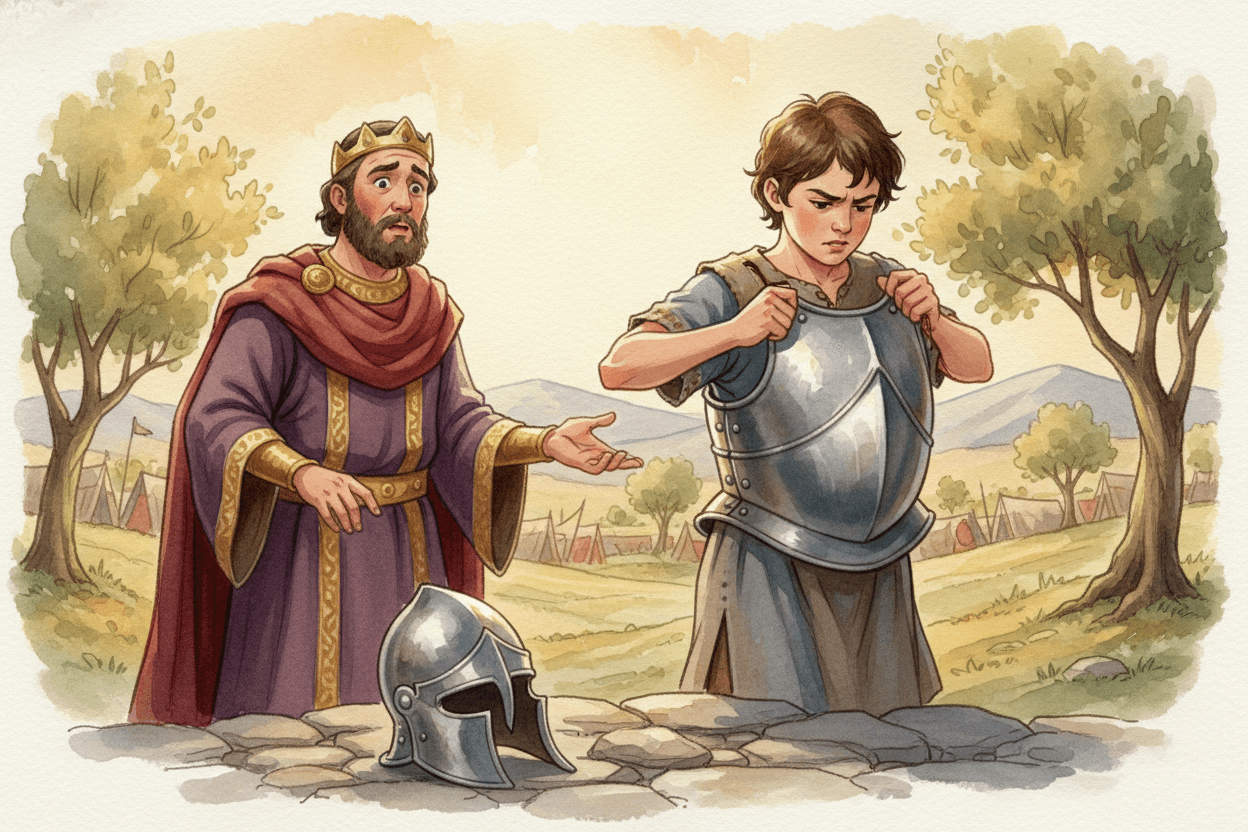
At our kitchen table, the kids were re-enacting the story of David and Goliath. One moment, they were cheering for David, and the next, they were donning makeshift armor—an old pot for a helmet and a backpack as a shield. In the midst of giggles and chaos, I was reminded of the part where David refused Saul's armor. It's a pivotal moment that often gets overlooked, but it's crucial for teaching our kids an important lesson: trusting God over relying on human strength or appearances.
In 1 Samuel 17:38-40, we see David trying on Saul's armor. It might seem like a straightforward part of the story, but to me, it reveals a lot about faith. David recognized that he was not meant to fight Goliath with earthly weapons. He felt uncomfortable and unprepared in that armor, much like our kids feel when they try to fit into something that isn’t really them. It’s a powerful image for our children, showing that God has equipped them with everything they need to face their own challenges. They don’t need to wear the 'armor' of societal expectations or peer pressure to succeed.
When I explained this to my kids, they understood that David's rejection of the armor was about more than just comfort; it was a declaration of his faith. David trusted in God, not in fancy weapons or impressive appearances. That’s a lesson we can all learn, especially in a world that often prioritizes looks and status. We want our kids to know that they are enough just as they are. They don't have to be the strongest or the fastest; they just need to trust God and be themselves.
To connect this lesson to their lives, I encouraged the kids to think about their own 'armor.' What are the things they feel pressured to wear or pretend to be? Maybe it’s acting tough when they feel scared or pretending they know everything when they’re uncertain. I reminded them that God loves them for who they are, not for who they think they should be. It’s okay to be vulnerable and to rely on God’s strength instead of their own.
As we talked, I could see the wheels turning in their heads. They started to share their own challenges—like dealing with school bullies or facing a tough soccer game. Each time, I gently reminded them to lean on God, just as David did. Trusting God doesn't mean they'll never face difficulties; it means they won't face them alone. God is a constant source of strength, even in our smallest moments of fear.
Teaching this story isn’t just about telling kids to be brave like David. It’s about helping them understand that God is with them in their battles, big and small. By rejecting Saul’s armor, David showed us that true strength comes from faith, not from what we wear or how we appear. So, this week, let’s all take a moment to think about our own armor and how we can encourage our kids to trust God more than appearances or human strength.
Then Saul dressed David in his own tunic, putting a bronze helmet on David’s head and arming him with a coat of mail. David also girded himself with Saul’s sword over the tunic. He walked with difficulty, however, since he had never worn armor before. He said to Saul, "I cannot go in these, because I have never used them." So he took them off. Then, staff in hand, David selected five smooth stones from the wadi and put them in the pocket of his shepherd’s bag. With his sling also in hand, he approached the Philistine.
The Five Smooth Stones: Gifts from God
There's a moment in our kitchen that sticks with me. One evening, as dinner simmered on the stove, my youngest grabbed a few pebbles from the garden. "Look, Dad!" he said, holding them up with pride. In that instant, I was reminded of the five smooth stones David chose before facing Goliath. Just like those stones, my son saw potential in something seemingly ordinary. It made me think: what do these stones really represent, and how can we share their significance with our kids without getting lost in size comparisons?
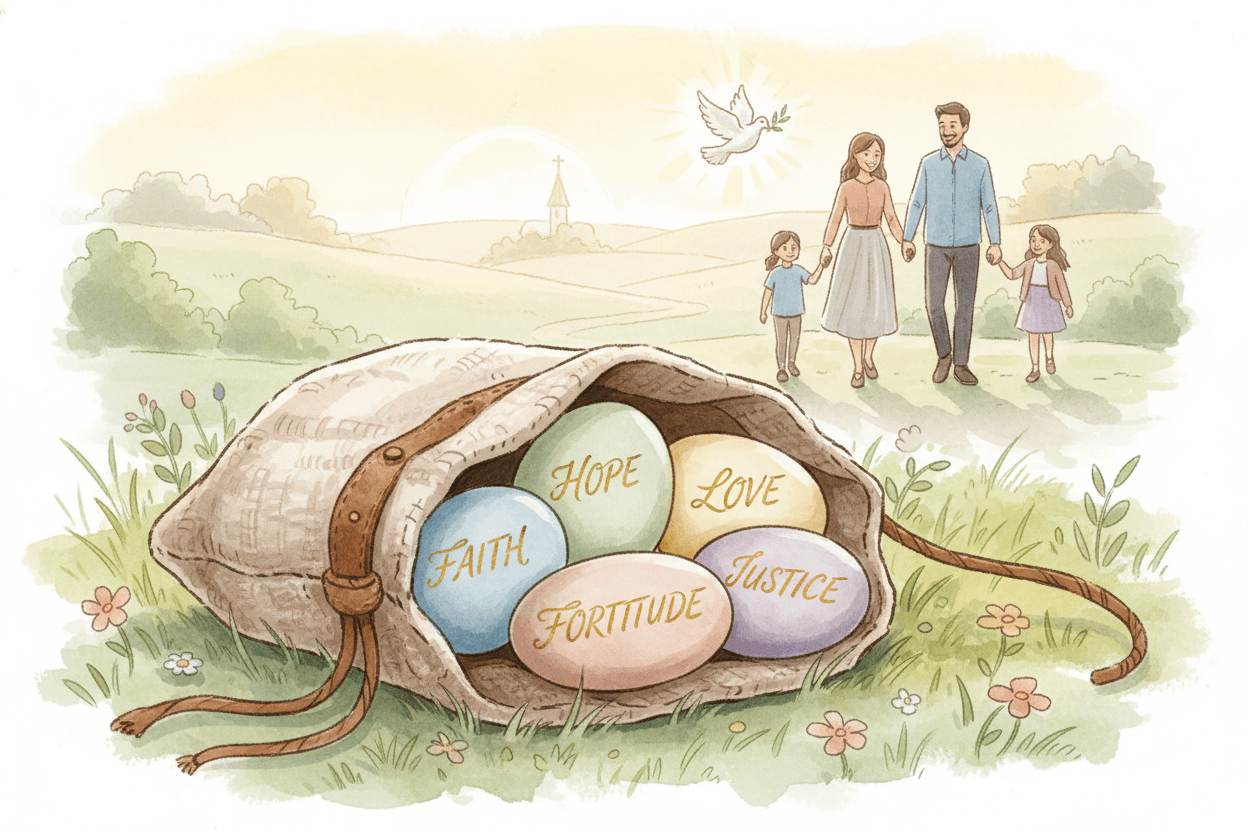
When we read the story of David and Goliath, we often focus on the dramatic showdown. But those five smooth stones can teach our kids about vital virtues that God provides. Each stone symbolizes a gift from God: faith, courage, prayer, obedience, and perseverance. These aren't just traits we muster up on our own; they are divine gifts available to us when we face our own giants, whether they be fears, bullying, or bad habits. At our table, we talk about how these virtues help us navigate life's challenges, just as they did for David.
As we sift through the story together, I emphasize David's choice to refuse Saul's armor. He didn't rely on human strength or impressive equipment. Instead, he trusted God and chose stones that had been prepared for him. This moment teaches our kids that God often equips us with what we need, even when it seems small or insignificant. "It's like when we pray for help, and God gives us the strength to get through tough times," I tell them. That faith connection is crucial—realizing that those stones aren't just tools; they are reminders of God's presence and power in our lives.
One small thing we tried was creating our own 'smooth stones' at home. We gathered some pebbles and painted them with symbols that represent the virtues we want to focus on. A heart for love, a cross for faith, or a little prayer icon. Each time one of my kids feels anxious or faces a tough situation, they can hold onto a stone and remember that God is with them, providing support. This practice helps them internalize the message that while they may feel small, they are never alone in their battles.
We also connect these stones to Jesus, the ultimate shepherd who stands with us in our struggles. David, a small shepherd-king, foreshadows Christ, who overcame sin and death for us. By discussing how Jesus is our strength, kids can see that faith isn't just about winning battles—it's about knowing who is with us in the fight. When we remind them that the battle is the Lord's, they learn that trusting in Him offers a sense of peace amid chaos.
As parents, we have the responsibility to nurture this understanding in our homes. Regular family Scripture reading can be a simple yet powerful way to reinforce these lessons. By sharing stories of God’s faithfulness, we help our children build a solid foundation of faith. It's not just about teaching them to be brave like David; it's about guiding them to know and trust the God who equips them for every challenge ahead.
The LORD, who delivered me from the claws of the lion and the bear, will also keep me safe from the clutches of this Philistine.
Connecting David to Jesus
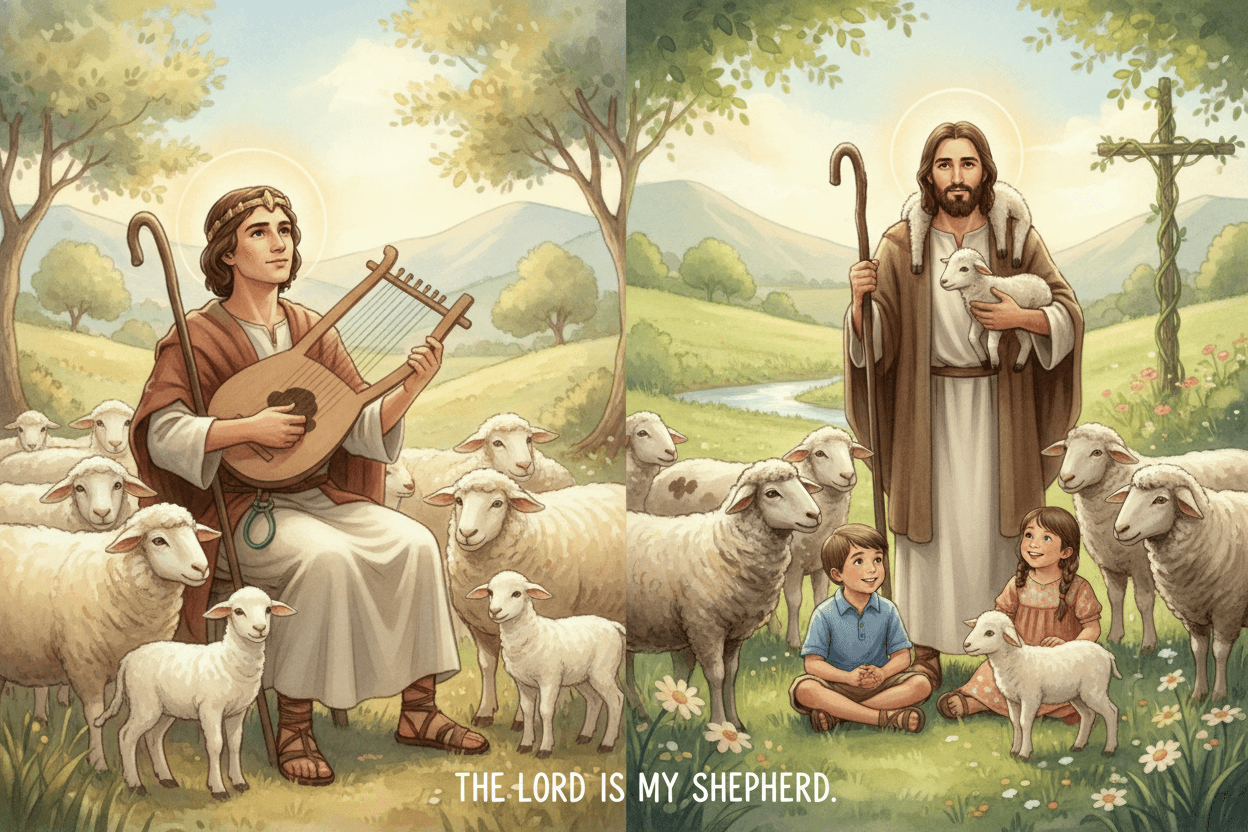
In our house, we often sit around the table sharing stories from the Bible. Just last week, my youngest asked, 'Why is David so important?' It got me thinking about how we can connect David’s story to Jesus in a way that makes sense to kids. David wasn't just the little guy who took down a giant. He was a shepherd—a king—and those roles point directly to Jesus, the ultimate Good Shepherd.
When we read about David, we see a young man who deeply trusted God. He wasn’t just brave; he knew where his strength came from. Before facing Goliath, he told King Saul, 'The LORD, who delivered me from the claws of the lion and the bear, will also keep me safe from the clutches of this Philistine' (1 Samuel 17:37). This trust in God is something kids can grasp. It’s not about being big or strong; it’s about believing that God is always with us.
David’s story doesn’t just stop with his victory over Goliath. He becomes a king who leads God’s people and foreshadows someone greater. Jesus is often referred to as a shepherd and a king, too. In Psalm 23, we read, 'The LORD is my shepherd; there is nothing I lack' (Psalm 23:1). This is a perfect verse to share with kids when we talk about David. Just like David cared for his sheep, Jesus cares for us. He leads us, protects us, and gives us what we need.
Connecting David to Jesus also helps kids understand that the battles we face aren’t always giants on a field. They can be fears, worries, or even sin. Jesus came to defeat those giants in our lives. When we trust Him, we find that He is with us in every struggle, just as He was with David. This can be a powerful conversation at our table—inviting kids to share their own 'Goliaths' can help make it personal. It opens the door to discussing how prayer and faith can help them tackle what scares them.
As we talk about David as a shepherd-king, we can emphasize that he points to Jesus, who is the Good Shepherd that cares for us even more. David had his moments of failure, but Jesus never fails. He conquered sin and death for us, proving that with God, we can face anything. This isn’t just a story about bravery; it’s about God’s faithfulness through all generations. It’s important for kids to see that their faith is rooted in a God who loves them and fights for them.
Each time we bring David's story to life, we remind our kids of the bigger picture. They’re not just learning about a historical figure; they’re connecting with Jesus through David’s example. And that’s a connection worth making.
The LORD is my shepherd; there is nothing I lack.
Identifying Our Own Goliaths
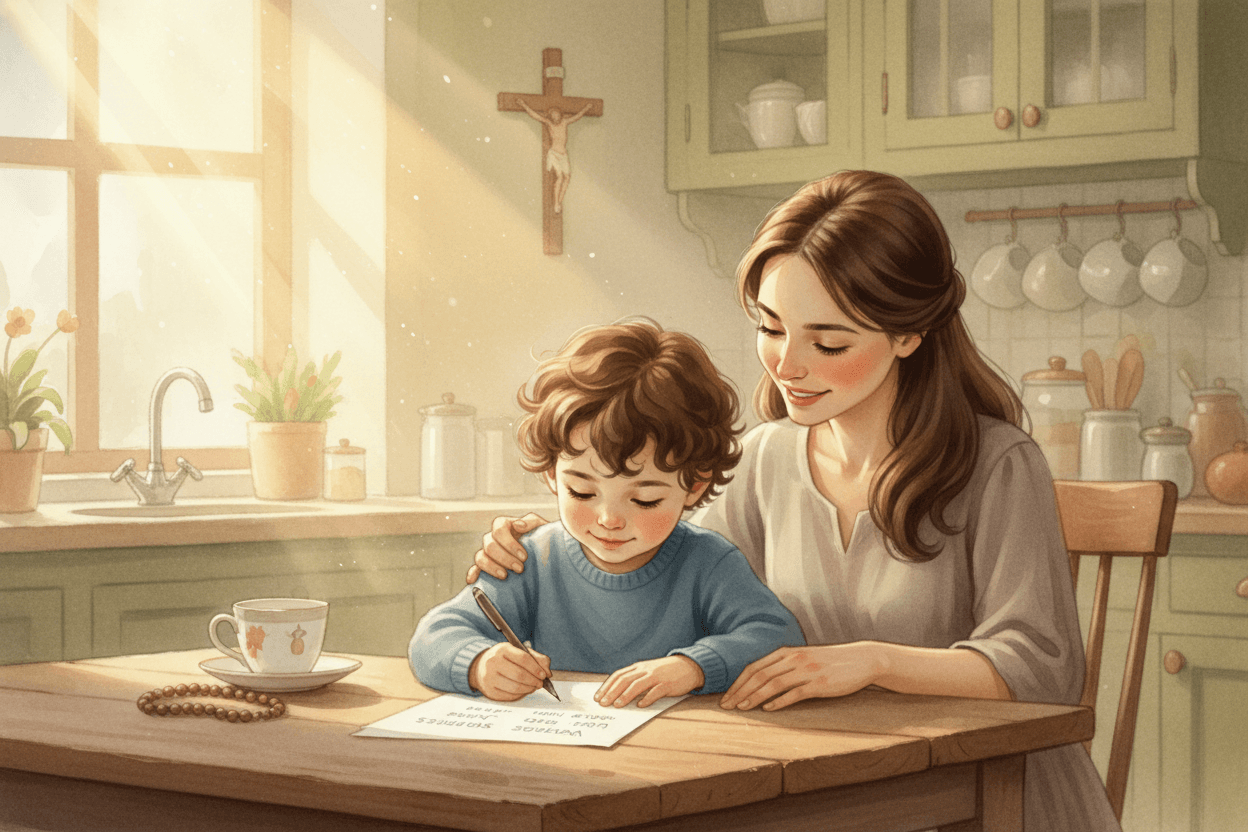
Last week, we had a family game night that turned into a mini therapy session. My youngest, Lucy, started sharing her worries about starting a new school. She said, 'What if nobody likes me?' As I watched her tiny fingers fidget with her game piece, I realized she was facing her own Goliath. It struck me how easy it is for our kids to feel overwhelmed by their fears, just like David must have felt facing that giant. But instead of letting the fear loom over her like Goliath's shadow, I wanted to show her how to bring it into the light of God's love.
One small thing we tried that night was to help each of our kids name their own Goliaths. We passed around a bowl filled with smooth stones — reminiscent of David's five. Each child picked a stone and shared something that scared them or made them feel small. Lucy named her fear of being alone. Tommy, our middle child, said his Goliath was bullying at school. With each confession, we turned to Scripture, reminding them that God is not only aware of their struggles but actively fights alongside them.
As I explained David's battle against Goliath, I emphasized that David fought in the name of the Lord, not just with a slingshot and stones. I quoted him from 1 Samuel 17:45, where he boldly declared, 'I come against you in the name of the LORD of hosts.' I wanted my kids to grasp that their own battles — whether it's fear, loneliness, or peer pressure — can be faced with God's strength. It's not about their size or skills; it's about trusting in God's power to help them through.
After sharing stories, we said a simple prayer. I encouraged them to ask God to be with them in facing their Goliaths. Lucy prayed for confidence, and Tommy prayed for kindness towards others. It was a moment that felt heavy with meaning, even amidst the chaos of our living room. We ended the night feeling lighter, as if we had shared a burden. I could see relief washing over my kids' faces, and I knew we had planted a seed of faith that would grow within them.
What I learned that night is that teaching kids about their personal Goliaths isn't just about fear. It's also about the strength that comes from prayer and the community of family. We need to reinforce that God is always with them, especially in their battles. In our house, we want our children to understand that they can always turn to Him. As parents, we have the privilege of guiding them through these moments, reminding them that God’s presence is their ultimate shield.
This week, consider creating your own Goliath naming tradition at your table. Grab some stones or even just a bowl of popcorn, and let your kids share their worries. As you listen, remind them that God is on their side. It’s a simple yet profound way to help them see that with God, they can face anything. Our children are learning that they don’t have to go it alone; they have a loving Father who walks with them, even through the fiercest battles.
But Jesus said, "Let the children come to me, and do not prevent them; for the kingdom of heaven belongs to such as these."
Real Faith Isn’t About Easy Victories
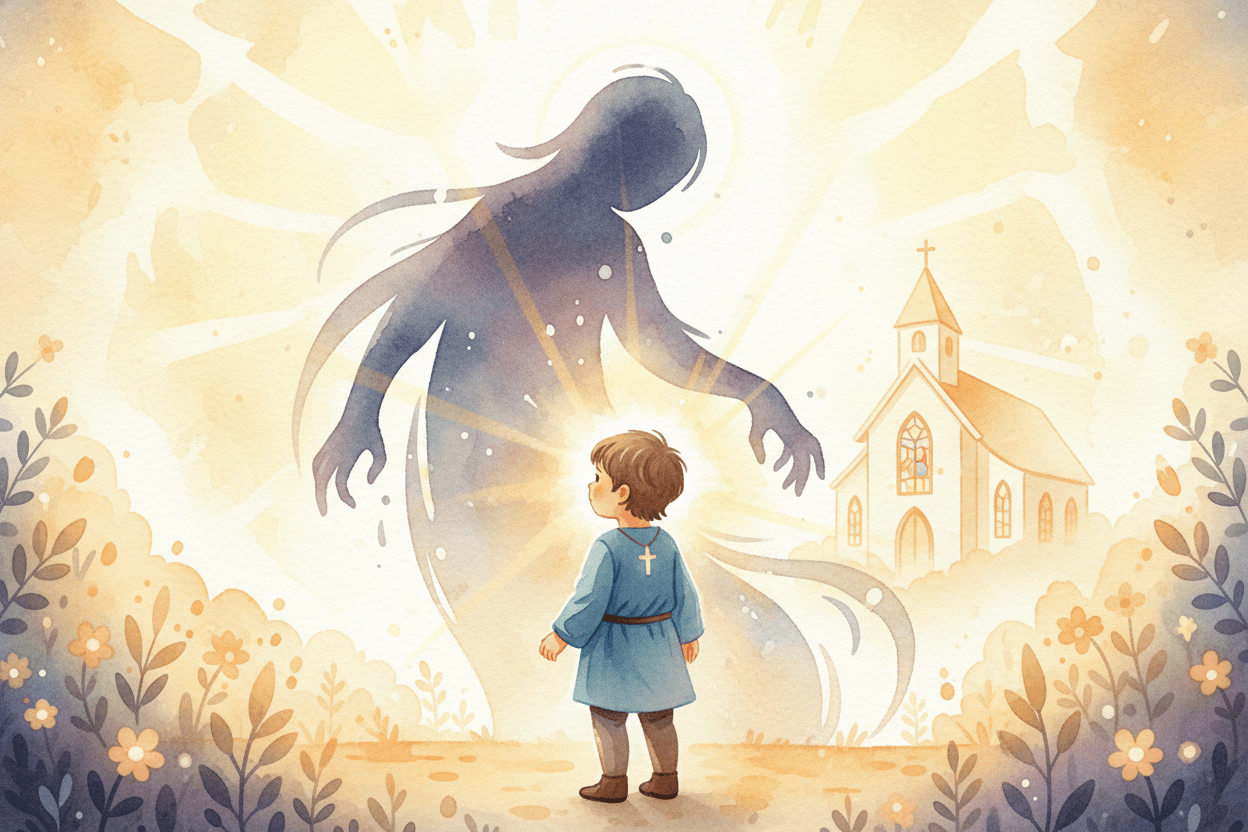
The kitchen is buzzing with the sounds of dinner prep. My youngest is trying to climb the pantry shelves, and the older kids are bickering over who gets the last cookie. In the middle of this chaos, my daughter looks up from her plate and asks, 'Daddy, does God always help us win?' I pause, stirring the spaghetti sauce, and realize this is a golden moment. It's a chance to share something deeper than just another Bible story. It's about real faith, and it’s not always about easy victories.
We often tell the story of David and Goliath as a classic underdog tale. David, the small shepherd, defeats the giant warrior Goliath. But if we stop there, we miss the heart of the story. David didn’t win just because he was brave or clever. He won because he trusted in God. The battle was never just about David's skill; it was about God's power and faithfulness. When David said, 'The battle is the LORD’s,' he was acknowledging that true strength comes from God, not from human might or impressive armor (1 Samuel 17:47).
In our house, we talk a lot about facing our own 'Goliaths.' My kids have their fears—like the dark, the school bully, or trying out for the soccer team. It’s important for them to see that trusting God doesn’t mean they won’t face tough challenges. Instead, it means they won’t face them alone. We remind each other that, like David, we can turn to God in prayer when we feel small or scared. It’s not about winning every battle but knowing that God walks with us through every fight.
One small thing we tried was creating a 'Goliath Wall' in our home. It’s a simple piece of paper where each child writes down their fears or struggles. When we gather for family prayer, we bring the wall to the table. We pray over each 'Goliath,' asking for God’s help and strength. This practice not only helps them voice their worries but also emphasizes that they are not alone in their battles. It reinforces that God is present in every challenge, ready to support us, even when the outcome is uncertain.
While we want our kids to be brave like David, we must teach them that faith is not a guarantee of easy victories. Life can be messy. Challenges will come, and sometimes, we won’t win in the way we expect. But we can trust that God is with us through it all. He comforts us, guides us, and ultimately promises victory in Christ, even when the circumstances seem dire. As Bishop Robert Barron said, 'God is the main actor' in our lives. Understanding this shifts our focus from winning to experiencing God’s presence in every moment.
So the next time your kids ask about faith and victory, steer the conversation towards God’s unwavering support. Let them know that trusting Him means He’s with us, not just when we fight giants, but in every battle we face—big or small. It’s about cultivating a faith that endures and grows stronger, no matter the outcome.
but Jesus said, "Let the children come to me, and do not prevent them; for the kingdom of heaven belongs to such as these."
Practical Steps for Families This Week
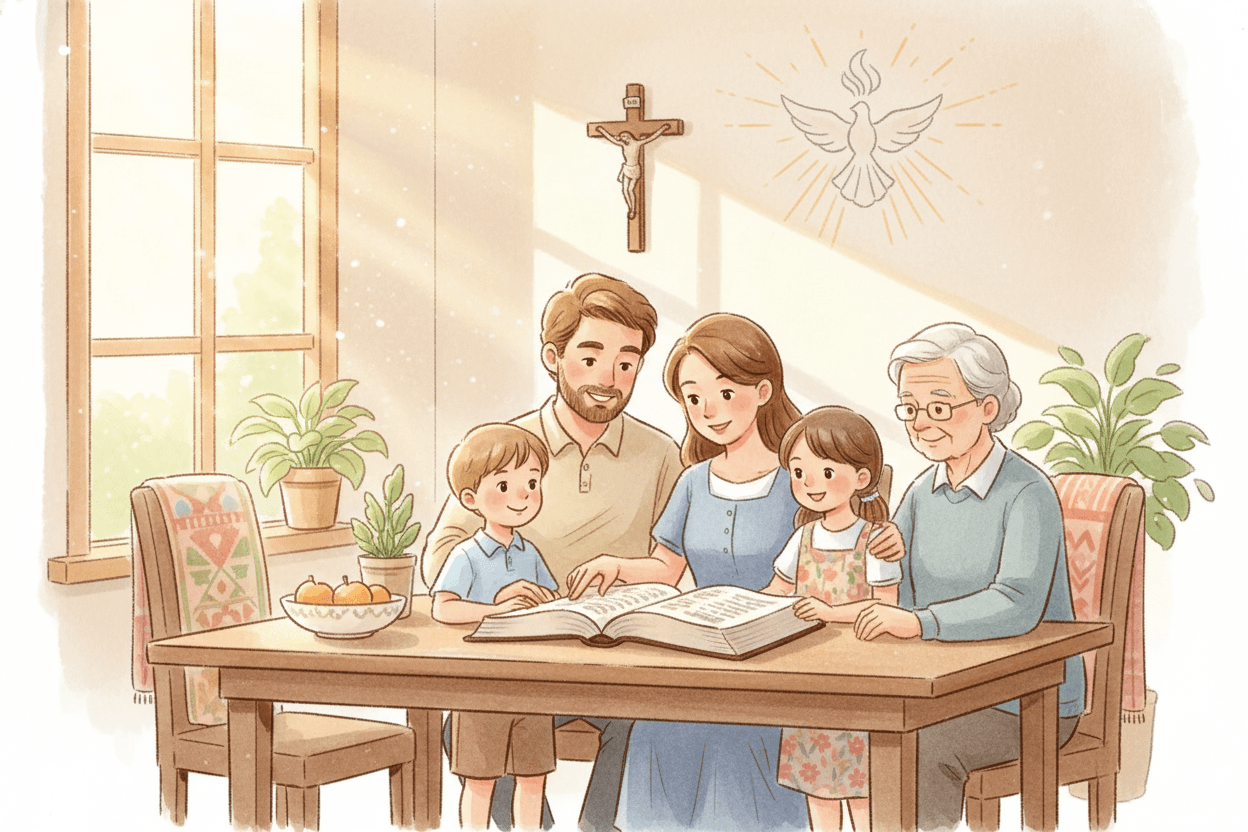
Last week at our kitchen table, the kids were buzzing about their school projects. Suddenly, my youngest, who’s just seven, blurted out, "Dad, can we be like David and Goliath?" It was one of those moments where you realize they’re not just hearing the stories; they’re connecting them to their lives. But I paused. How do I help them see that this tale goes beyond a simple fight between a kid and a giant?
That’s where the real teaching comes in. Instead of framing David as just a brave underdog, we can focus on the heart of the story: God’s power and faithfulness. This week, let’s gather the family and read key parts of 1 Samuel 17 together. As we read, I’ll point out how David fights "in the name of the Lord" and that "the battle is the Lord’s". These phrases highlight that, even when things seem daunting, God is right there with us.
One small thing we tried recently was to emphasize David’s refusal to wear Saul’s armor. It’s such a vivid image for kids. Why did David turn it down? Because he trusted God more than he trusted fancy gear. In our discussions, we can ask our kids about situations where they might feel pressured to rely on what looks impressive rather than their faith in God. It’s a great way to draw parallels to their own lives—maybe in school or sports.
We can also use David’s five smooth stones as a fun way to talk about virtues. Let’s think of each stone as a gift from God—faith, courage, prayer, obedience, and perseverance. A family craft night could involve decorating stones together, each one representing a virtue we want to remember. As we paint, we can share stories about how we've seen these virtues in action, maybe when someone stood up against bullying or showed kindness to a neighbor.
And here’s an idea: invite your kids to name their own "Goliaths." Whether it’s fear of the dark, anxiety about school, or even bad habits they want to shake, let them share. Then, help them practice turning to God through prayer. You can teach them simple prayers that relate to their fears, reinforcing that they’re not alone in facing their giants.
Finally, let’s not forget about the bigger picture. While it’s tempting to think that faith guarantees easy victories, we need to remind them that trusting God means He’s with us through every battle. I’ll share with my kids how Jesus, like David, faced challenges but ultimately brought victory through love and sacrifice. This connection can help them see how our stories tie into the greater story of salvation.
As we wrap up our week, let’s set aside time for family Scripture reading and prayer. It doesn’t have to be long—just a few minutes each day can plant seeds of faith. Ask questions, share insights, and encourage each other. Remember, we’re forming their hearts and minds together, one story at a time.
Let the children come to me, and do not prevent them; for the kingdom of heaven belongs to such as these.
Frequently asked questions
How do I teach my kids the story of David and Goliath?
Focus on the themes of faith and trust in God rather than just the battle of size. Emphasize that David's courage came from his belief in God, and relate his challenges to your children's own 'Goliaths'.
What is the main lesson from David and Goliath for children?
The key lesson is that trusting God is more important than relying on our own strength or appearances. David's victory was rooted in his faith, which can inspire kids to face their own challenges with confidence.
How can I help my kids relate to David's challenges?
Encourage them to identify their own fears or struggles, like school anxiety or peer pressure, and discuss how trusting in God can help them overcome these challenges.
What does David's rejection of Saul's armor teach kids?
It illustrates that true strength comes from faith, not from trying to fit into societal expectations or appearances. Kids learn they are enough as they are and don’t need to pretend to be someone else.
How can I incorporate prayer into teaching this story?
After discussing the story, pray together, asking for God's strength to face their own 'Goliaths.' This reinforces the message that they are not alone in their struggles.
Sources: vatican.va · usccb.org · usccb.org · wordonfire.org · catholic.com · thereligionteacher.com · gospelcenteredfamily.com · pewresearch.org · barna.com · ministry-to-children.com
Scripture quotations in this article use the NABRE translation.