Teaching Kids Repentance Through Jonah and Nineveh
Jonah’s story helps children see that repentance is more than saying sorry—it means turning from wrong choices and moving toward God. Through Jonah and Nineveh, families can discover that God welcomes
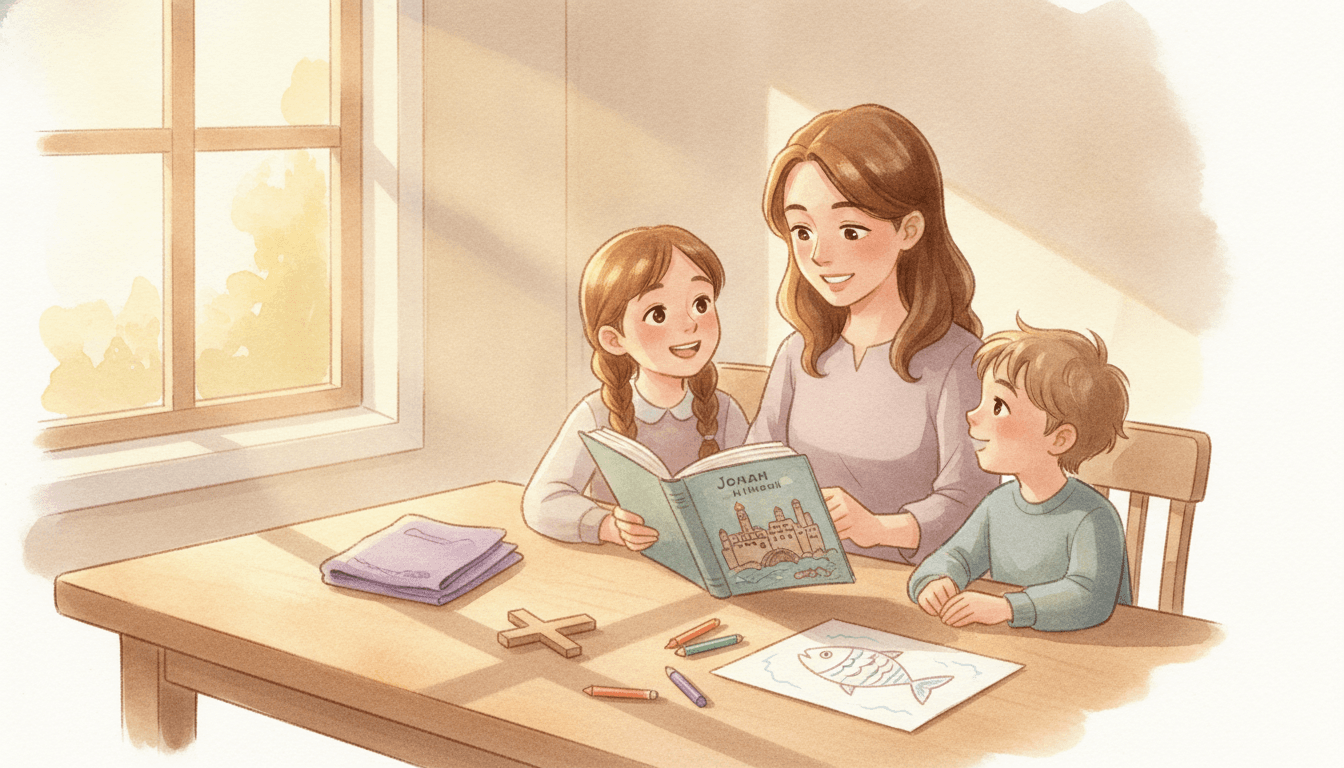
Your child says “sorry” quickly after a fight with a sibling, then reaches for the same toy again. Jonah’s story gives parents a better, more hopeful way to explain what comes next: repentance means turning around and walking back toward God. Scripture invites us to see both Jonah and Nineveh as people who receive a second chance and choose a new direction.
Repentance Is More Than Saying “I’m Sorry”
A child bumps a sibling’s block tower, mutters “Sorry,” and reaches for the next toy before the tears have stopped. Most parents recognize the moment. The apology is a beginning, but it is not yet the whole work of repentance. We can gently slow the moment down: “What happened? Was it loving? What can you do now to make it right?” Children ages six to nine are quite capable of seeing that forgiveness is not a magic word that lets us move on unchanged.
Scripture invites us to understand repentance as a turn. The Greek word often used is metanoia: a change of mind and heart that becomes a change in the way we act. When St. Peter preached after Pentecost, he said, “Repent, therefore, and be converted, that your sins may be wiped away” (Acts 3:19, NABRE). For a child, the image of a chalkboard being erased can help: God truly forgives sin. Yet repentance also means we stop writing the same unkind choice again and again when, by God’s grace, we can choose another way.
Here’s how I’d teach this in a parish classroom and at home: repentance has five simple movements. First, name the wrong plainly: “I yelled at my brother” or “I lied because I did not want to get in trouble.” Second, be sorry—not merely sorry for a consequence, but sorry that the choice hurt another person and offended God. Third, ask forgiveness from God and, when appropriate, from the person harmed. Fourth, repair what can be repaired: return what was taken, help rebuild the tower, tell the truth, or offer a sincere act of kindness. Fifth, make a concrete plan for next time: “When I am angry, I will step back and ask for help instead of hitting.”
This is not asking children to earn God’s love. God loves them first, and his mercy makes their return possible. But love does call for a response. The Catechism describes interior repentance as “a radical reorientation of our whole life, a return to God with all our heart” (CCC 1431). That language is large, but children can grasp its shape: I was going away from God’s way; now I turn back toward him. A physical practice can make it memorable. Ask your child to face one direction while naming an unloving choice, then turn around as he or she names the better choice God is asking for.
Jonah will give this lesson a story. He first ran from God’s command, then turned and obeyed; the people of Nineveh heard God’s warning and turned from their evil ways. Before opening that book with your children, let them see repentance practiced in ordinary family life. When a parent says, “I was impatient. Please forgive me. Next time I will speak more calmly,” the child sees metanoia with a face and a voice. That humble example prepares the way for an honest examination of conscience and, in time, a fruitful celebration of Reconciliation.
Repent, therefore, and be converted, that your sins may be wiped away.
Jonah’s Turn: God Calls Us Back to Obedience
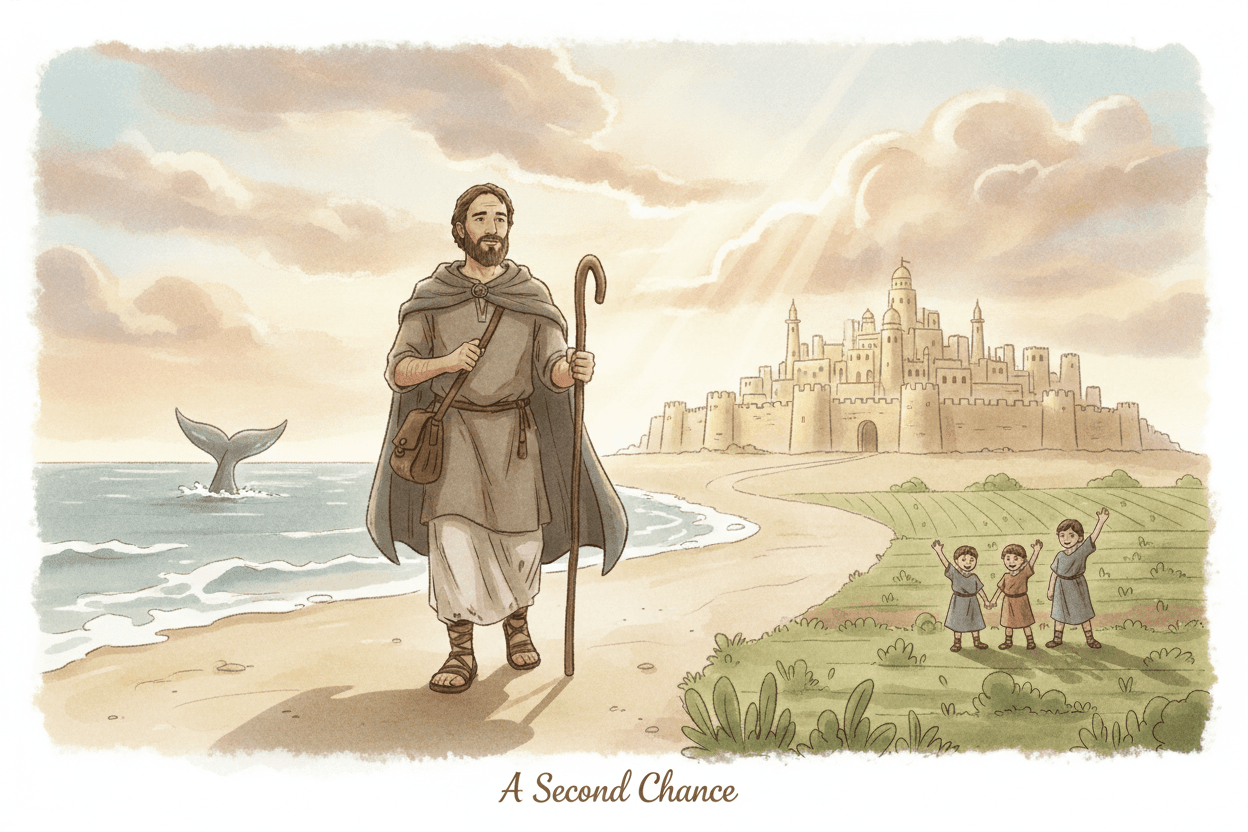
A child who has ignored a parent’s instruction often asks the question beneath the tears: “Am I in trouble forever?” Jonah’s story answers that fear with honesty. Jonah heard God’s command to go to Nineveh, but he chose the opposite direction. His refusal mattered; disobedience is never something Scripture treats lightly. Yet Jonah’s first wrong choice was not the final word about him. God continued to call him, and Jonah was given the grace to answer differently.
When we teach this account, it helps not to let the fish become the whole lesson. The fish is memorable, certainly, but the central action is Jonah’s turning. After his rescue, God sends him again to Nineveh. This time Jonah goes. He enters a great city with an unwelcome message: its people must turn away from evil. The prophet who once ran from God now carries God’s word in obedience. Here’s how I’d teach this to children: Jonah did not become faithful because he had never failed. He became faithful by listening when God called him back.
That is repentance in a form children can see. We recognize that we chose our own way; we listen to God’s call; then we turn our feet, words, and habits in a new direction. The Catechism describes conversion as a reorientation of the whole life toward God (CCC 1431). So if a child has lied, repentance includes telling the truth. If she has hurt a sibling, it includes asking forgiveness and making the harm right where possible. If he has refused a reasonable instruction, it includes returning to obey—not merely saying, “Sorry,” while planning to do the same thing again.
Jonah also gives parents a gentle way to correct shame. A child may need consequences, but he should not be taught that one bad choice makes him a bad child beyond hope. Say plainly: “What you did was wrong. And God is still calling you back.” At bedtime, try a brief examination: “Where did I run from what was right today? What is one way I can turn back tomorrow?” Then pray in the words of Psalm 51: “A clean heart create for me, God; renew within me a steadfast spirit.” This prepares children to understand Reconciliation as a real return to the Father, where grace does not excuse sin but restores us for a new beginning.
A clean heart create for me, God; renew within me a steadfast spirit.
Nineveh Shows Children What a Changed Direction Looks Like
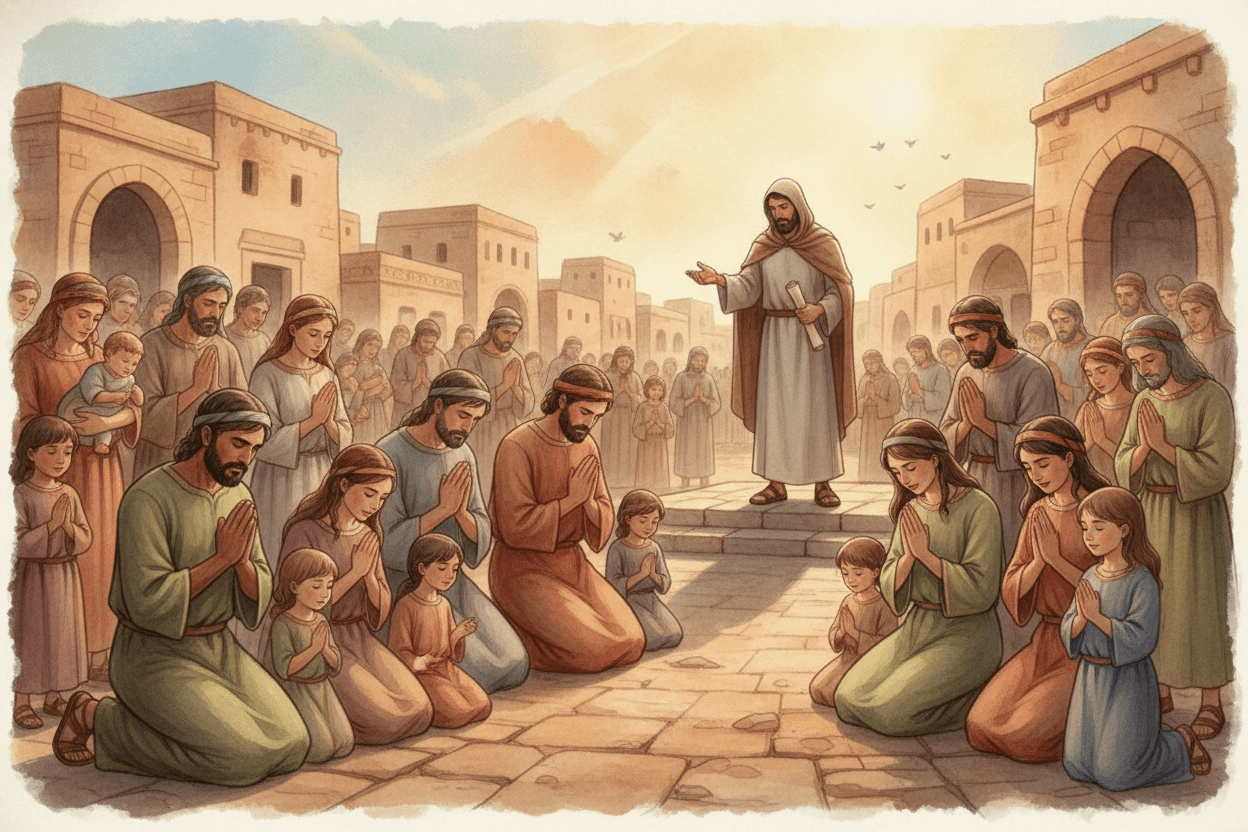
A child has just shoved a sibling over a prized seat, then offers a quick, unhappy “sorry” while still holding the seat. Most parents recognize the moment: the words may be real, but the direction has not yet changed. Jonah 3 gives us a clearer and more demanding picture of repentance. The people of Nineveh did not merely fear the consequences of Jonah’s warning. They believed God, called out to him, and changed what they were doing.
That last part matters especially when we teach children. The king’s command says, “they all must turn from their evil way and from the violence of their hands” (Jonah 3:8, NABRE). Nineveh’s repentance could be seen in their actions. Scripture invites us to help children ask not only, “Do I feel bad?” but also, “What will I do differently now?” A sorrowful feeling can be the beginning of repentance; it is not the whole of it.
Here’s how I’d teach this at home or in a parish classroom: name the wrong choice, then name the turn. A child who lied takes the next truthful step, even when telling the truth is difficult. A child who hurt a brother or sister does more than mumble an apology; he checks whether the sibling is all right, helps repair what was damaged, and chooses gentler hands. A child who kept all the best treats or refused to share can practice generosity at the next opportunity. These are not punishments added onto forgiveness. They are signs that the child is turning around.
The Catechism calls this interior conversion, a “radical reorientation of our whole life” toward God (CCC 1431). Children can understand that repentance includes the heart, the mouth, the hands, and the next choice. We should be careful not to demand instant perfection. Nineveh did not become a people with no need for God; they became a people who responded when God called. Likewise, a child may need help making the same better choice again tomorrow. Patient practice is part of formation.
During a family examination of conscience, try one concrete question: “What is one way I can turn from this wrong choice today?” Then let the answer be small and specific: tell Dad the truth about the broken cup, return the toy, include the child left out, or offer help without being asked. End by praying Psalm 51:12 together. God sees the action, but he also supplies the clean heart and steadfast spirit that make a new direction possible.
Man and beast alike must be covered with sackcloth and call loudly to God; they all must turn from their evil way and from the violence of their hands. Who knows? God may again repent and turn from his blazing wrath, so that we will not perish." When God saw by their actions how they turned from their evil way, he repented of the evil he had threatened to do to them; he did not carry it out.
Teach the Five Small Steps of Repentance at Home
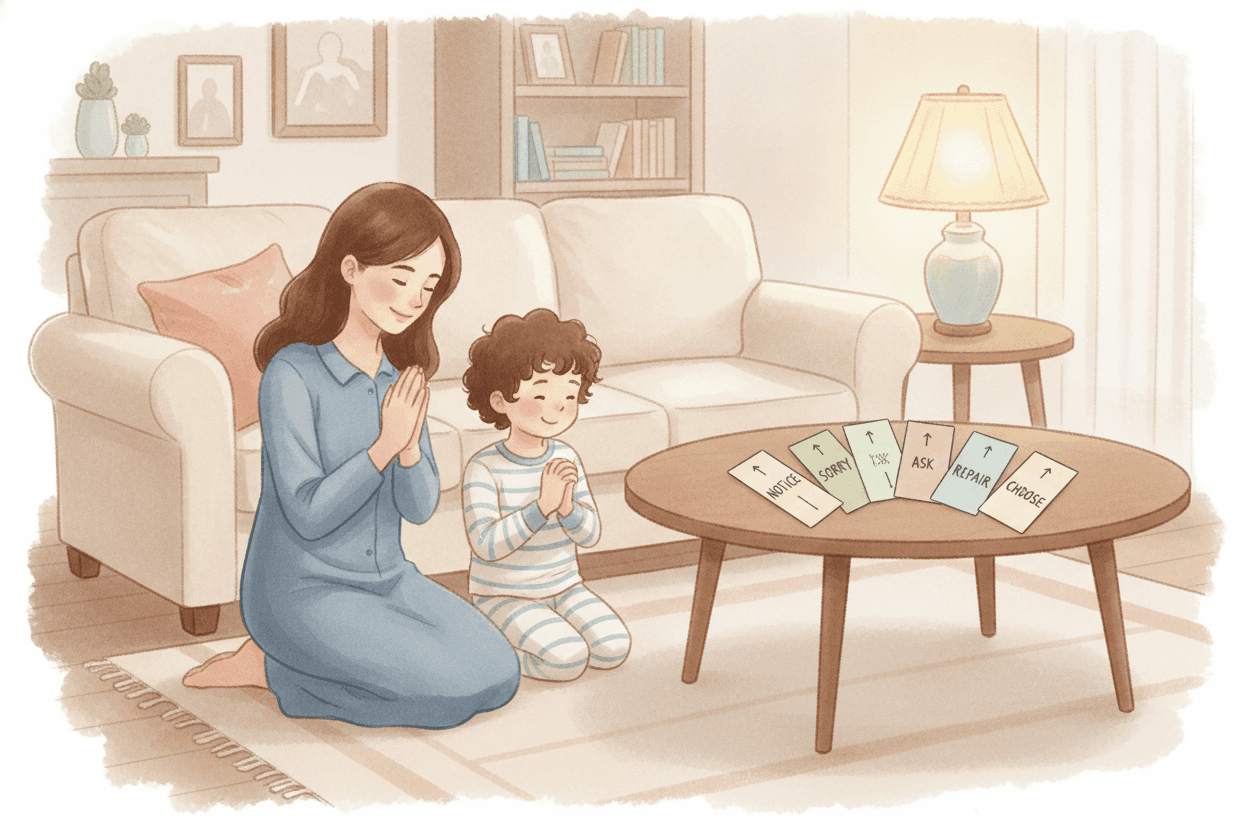
A spilled cup of juice, a sharp word to a sibling, and then the familiar “Sorry!” blurted while the child is already reaching for the next thing—this is where I would begin. Rather than demanding a bigger apology, pause the moment gently: “Let’s stop and look at what happened.” Children can learn repentance without shame when we give them clear, repeatable steps. Jonah and the people of Nineveh did not merely hear a warning; they changed what they were doing.
First, help your child recognize the wrong plainly. “I grabbed the toy.” “I lied because I did not want consequences.” Keep the language concrete and proportionate. An accident, such as knocking over a drink, calls for responsibility and help cleaning up; it is not automatically a sin. But choosing to hurt, deceive, or refuse a reasonable act of love needs naming. This protects children from anxious self-scrutiny while teaching them that their choices matter.
Second, invite sorrow for the right reason: sin wounds love of God and neighbor. Then comes the third step: ask forgiveness. A child can speak simply to God—“Jesus, I am sorry for ___; help me choose what is right”—and also apologize to the person harmed. The Catechism describes contrition as sorrow for sin together with the resolve not to sin again (CCC 1451). This is not a performance to earn God’s love. God’s mercy comes first; our sorrow and return are our response to that mercy.
Fourth, ask, “What can help repair this?” Restitution may mean picking up the scattered blocks, returning what was taken, telling the truth to the person who was misled, or offering a kind act after a cruel remark. Not every hurt can be fixed immediately, and some consequences remain, but children should see that forgiveness does not make the harm unimportant. The Church likewise teaches that absolution takes away sin but does not repair every disorder caused by it; we seek, as far as possible, to make amends (CCC 1459).
Finally, make one specific plan for choosing the good: “When I feel angry, I will put my hands at my sides and ask for help,” or “Before I answer, I will count to five.” At bedtime, a brief family examen can use these five steps without becoming a long interrogation. End with Psalm 51 as a prayer of trust, not fear: “A clean heart create for me, God; renew within me a steadfast spirit.” In this way, children learn that repentance is a real turning—away from sin and toward the Father who receives them.
A clean heart create for me, God; renew within me a steadfast spirit.
Connect Jonah’s Second Chance to the Sacrament of Reconciliation
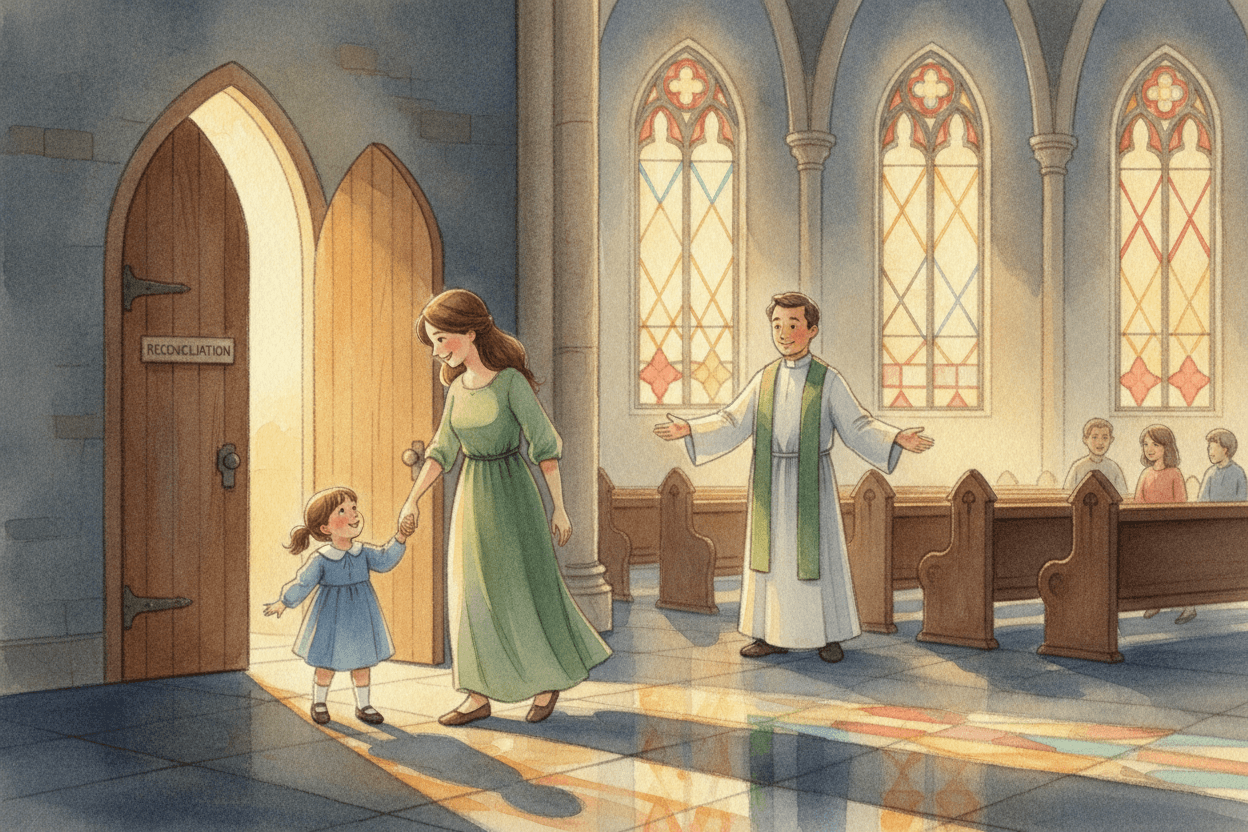
A child who has hidden a broken rule may expect the same thing Jonah expected after running from God: a stern reckoning with no way forward. Jonah’s return to God tells a different story. The Lord sends him again, giving him a real mission and a real opportunity to obey. This is the frame parents can offer before a child’s first Confession or an early return to the sacrament: Jesus does not call us to hide from him. He calls us back, forgives us, and helps us begin again.
The Catechism names Reconciliation “the sacrament of conversion, confession, forgiveness, and Reconciliation” (CCC 1423). It is not a punishment room, nor is it a place where a child must perform sadness correctly. Christ himself gave the Church this sacrament because, after Baptism, we still sin and still need his mercy. As the Catechism reminds us, “Christ instituted the sacrament of Penance for all sinful members of his Church” (CCC 1446). In Confession, Christ forgives sins through the ministry of the priest and restores us to grace (CCC 1422). Jonah’s second call helps children see that forgiveness has a purpose: we turn around and learn to obey God with our actual choices.
Begin preparation at home with a brief prayer, perhaps Psalm 51:12: “A clean heart create for me, God; renew within me a steadfast spirit.” Then use a short examination of conscience suited to the child’s age. Ask concrete questions: Did I speak unkindly to a brother or sister? Did I disobey Mom or Dad? Did I refuse to share? Did I blame someone else for what I did? Did I leave someone out? Leave time for silence, and make clear that this is not an interrogation. The goal is honest self-knowledge before a Father who loves us.
It also helps to practice the shape of the sacrament without rehearsing or demanding a list of sins. A child can learn to say, “Bless me, Father, for I have sinned,” share simply and truthfully, listen to the priest, pray an act of contrition, and complete the penance given. Do not script the child’s sins or press for details. Parents can say, “You may tell Father what you are sorry for. If you feel nervous, he will help you.” That reassurance matters. The priest is not there to be shocked or harsh; he is there to help the child meet Jesus’ mercy.
After Confession, mark the return home with quiet gratitude rather than a review of what was said. A simple prayer of thanks, a family meal, or a walk can reinforce the truth that reconciliation brings joy. Jesus says, “I tell you, in just the same way there will be more joy in heaven over one sinner who repents than over ninety-nine righteous people who have no need of repentance.” Jonah was sent again; our children, forgiven and strengthened by grace, are sent again too—back to family life, friendship, and the next faithful choice.
I tell you, in just the same way there will be more joy in heaven over one sinner who repents than over ninety-nine righteous people who have no need of repentance.
Try a Jonah Repentance Practice This Week
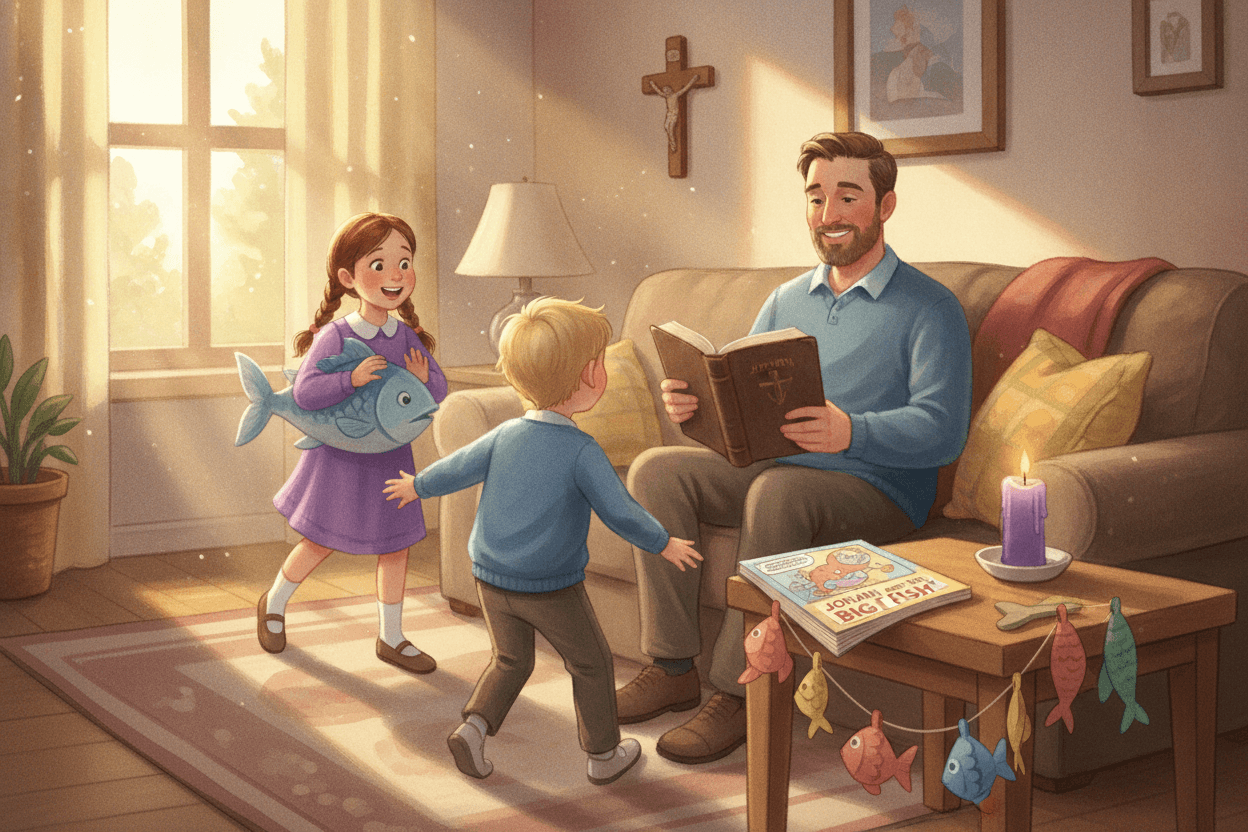
At the end of a busy evening, gather the family in an open space—not around a worksheet. Ask each person to name one small way he or she has moved away from love this week: sharp words, ignored instructions, selfishness, refusing to share. Then invite everyone to face one direction, say quietly, “With God’s help, I want to turn back,” and physically turn around. Children remember what their bodies do. This simple movement gives them a truthful picture of repentance: not hiding a wrong choice, but changing direction toward God.
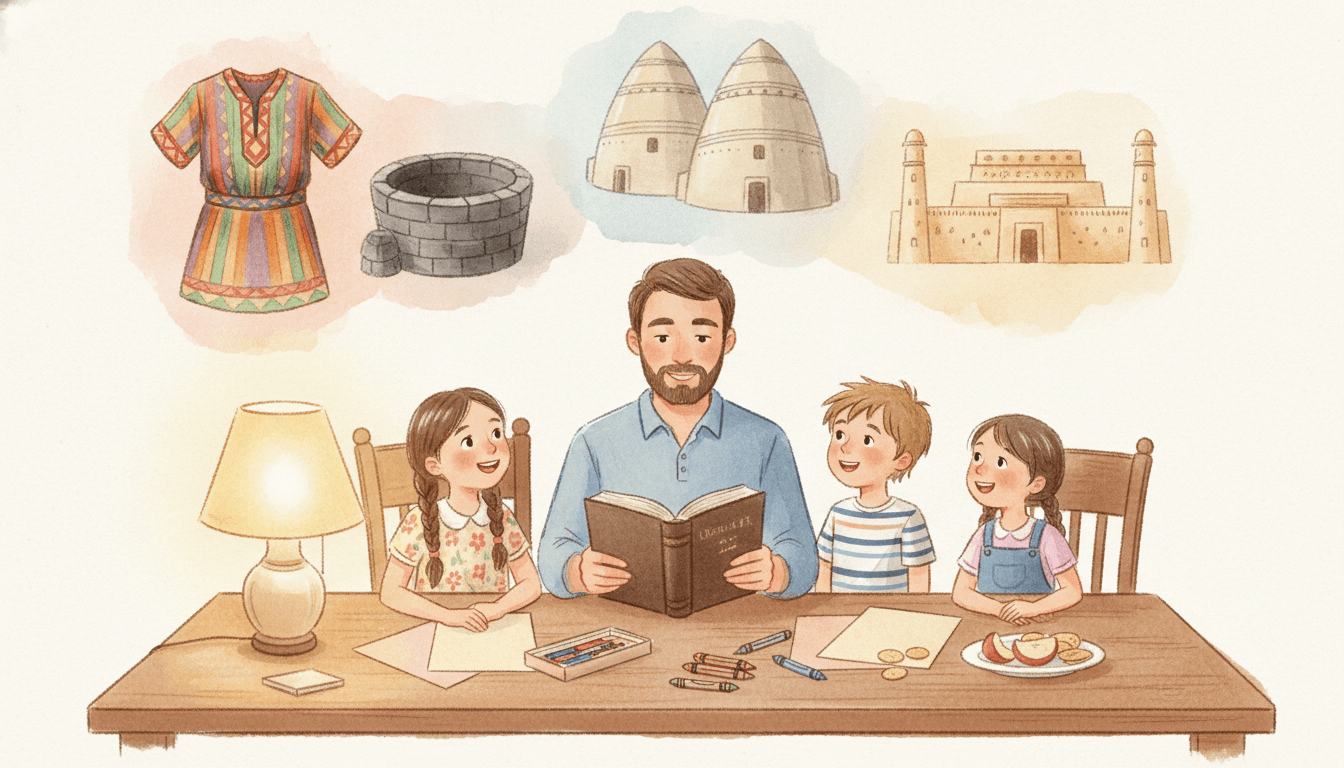
Read Jonah 3:1–10 slowly from the NABRE. Pause over what the people of Nineveh actually did after they heard God’s warning. They believed God, prayed, fasted, and turned from evil. Their response was public and practical; it was not merely a sad feeling. Here’s how I’d teach this: Jonah gave the message, but the people had to choose their answer. In the same way, no parent can repent for a child. We can help children name sin clearly, trust God’s mercy, and take the next right step. The Catechism describes conversion as a reorientation of life toward God (CCC 1431).
After the reading and the turn-around, pray Psalm 51:12 together. For younger children, repeat the verse line by line and let them echo it. Then ask each family member to choose one repair or act of love for the coming week. A child who spoke unkindly may offer a sincere apology without excuses. A child who damaged something may help fix or replace it. Someone who has been withholding help may take on a chore before being asked. Keep the repair concrete, modest, and connected to the wrong. This helps children see that forgiveness is freely given by God, while love also seeks to mend what sin has harmed.
During Lent, or in the days before First Reconciliation, repeat this practice once a week. You might extend the reading with the BibleHeroes Jonah and the Fish comic, then return to Jonah 3 in the family Bible so children learn that the story belongs to Scripture, not only to a retelling. Revisit the turn-around practice after a sibling conflict, and use it before Confession as a gentle examination of conscience: What happened? What choice was wrong? How will I ask forgiveness? What can I repair? Parents should participate too. When children hear a mother or father acknowledge impatience, seek pardon, and make amends, they receive a lesson no explanation can replace.
Jonah began his journey through the city, and when he had gone only a single day’s walk announcing, "Forty days more and Nineveh shall be overthrown," the people of Nineveh believed God; they proclaimed a fast and all of them, great and small, put on sackcloth.
Frequently asked questions
How do I explain repentance to my child using Jonah's story?
Explain that repentance means turning around and going back toward God's way. Jonah first ran from God's command, but God called him again and Jonah chose to obey. Tell your child that a wrong choice matters, but it does not have to be the end of the story.
What is the difference between saying sorry and truly repenting?
Saying sorry is an important beginning, but repentance also changes what a child does next. Help your child name the wrong, ask forgiveness, repair the harm when possible, and make a plan for a better choice. For example, after knocking down a sibling's tower, he can help rebuild it and ask before touching it again.
How can I help my child make amends after hurting a sibling?
Slow the moment down instead of accepting a quick apology as the whole response. Ask what happened, who was hurt, and what could help make it right; the answer may include returning an item, rebuilding something, telling the truth, or offering a concrete kindness. Then help your child choose one different action for the next time he feels angry or frustrated.
How do I teach my child that God forgives without excusing bad behavior?
Tell your child that God loves them first and always calls them back, even after sin. At the same time, God's mercy invites a real response: turning away from the unloving choice and choosing what is right. You might say, “What you did was wrong, and God is still calling you back.”
What does metanoia mean for children?
Metanoia means a change of heart and mind that shows up in changed actions. Make it physical: have your child face one direction while naming an unloving choice, then turn around and name the better choice God is asking for. This gives children a memorable picture of conversion.
How can Jonah prepare children for Confession?
Jonah helps children see Reconciliation as returning to God, not as being punished forever for a mistake. A simple bedtime examination of conscience can prepare them: ask where they ran from what was right and how they can turn back tomorrow. Parents can model this by admitting their own impatience, asking forgiveness, and naming a better response for next time.
Sources: bible.usccb.org · bible.usccb.org · bible.usccb.org · bible.usccb.org · catholic.com · godwithusonline.org · barna.com · access.barna.com · catechist.com · kids-bible-lessons.org
Scripture quotations in this article use the NABRE translation.